Discover a fascinating chapter of Tropical North Queensland’s pioneer history with our ultimate guide to the historic Herberton railway. Nestled up in the beautiful Atherton Tablelands, this remarkable heritage site offers an incredible window into the golden age of steam travel. Whether you are a history buff, a rail enthusiast, or a family looking for the perfect weekend getaway from Cairns, a journey on this beautifully restored steam train delivers a memorable outback adventure. Discover the engineering triumphs, volunteer stories, and practical travel tips behind this legendary pioneer track.
Table of Contents

Highlights of the Herberton Railway Experience
- Historic Steam Train Rides: Board a beautifully restored vintage steam train and travel along heritage outback tracks.
- Behind-the-Scenes Workshop Tour: Enjoy an inclusive tour of the maintenance sheds to witness active locomotive restorations.
- Pioneer Engineering History: Learn about the grueling late-1800s construction era that carved rail lines through rugged mountain ranges.
- Community Men’s Shed Spirit: Discover the incredible team of passionate local volunteers keeping this bygone era alive.
Our Long-Weekend Day Trip to Herberton
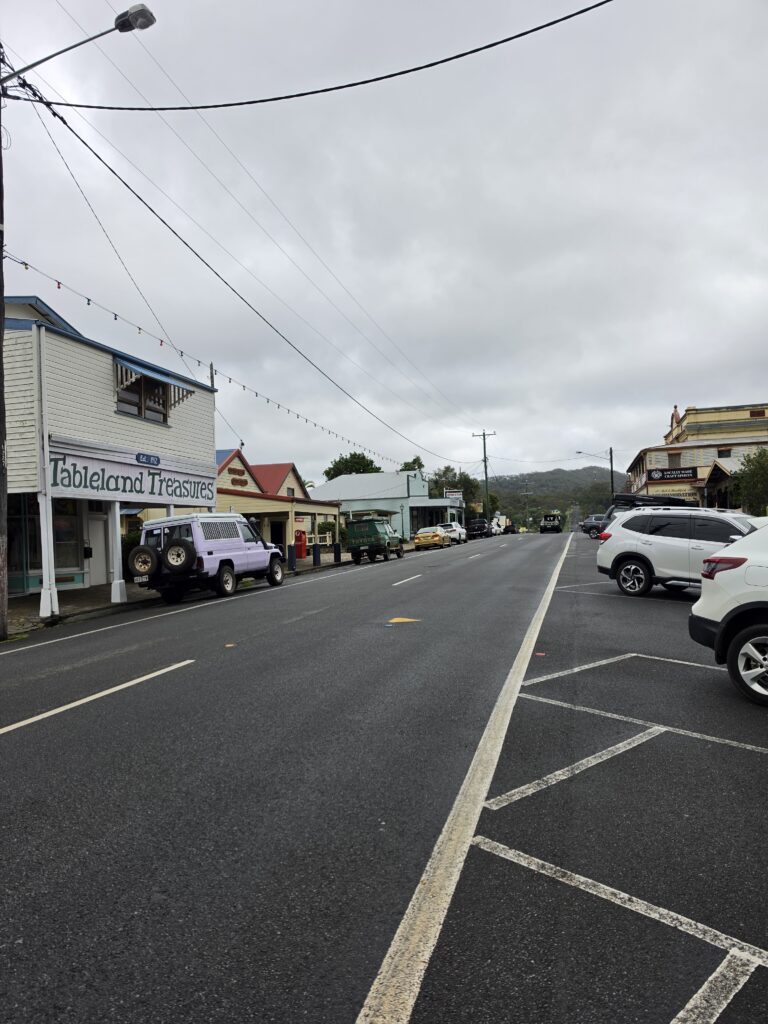
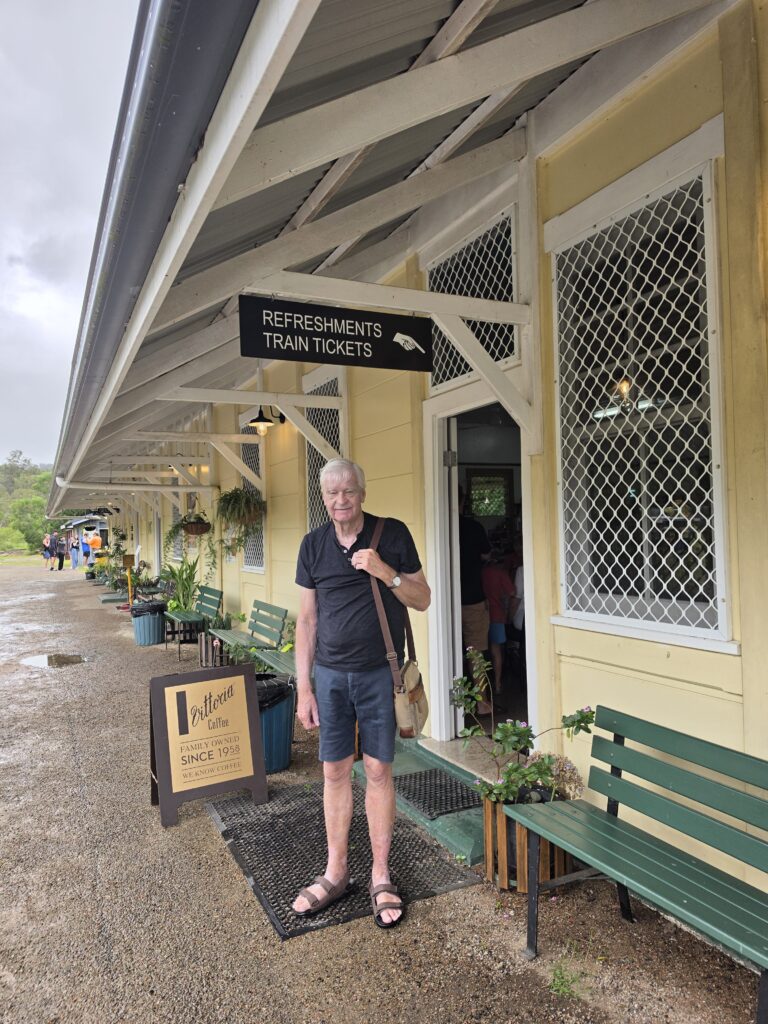
We had an absolutely lovely day out this past Saturday, and I will definitely be going back to Herberton again soon to explore more of what this charming historic township has to offer.
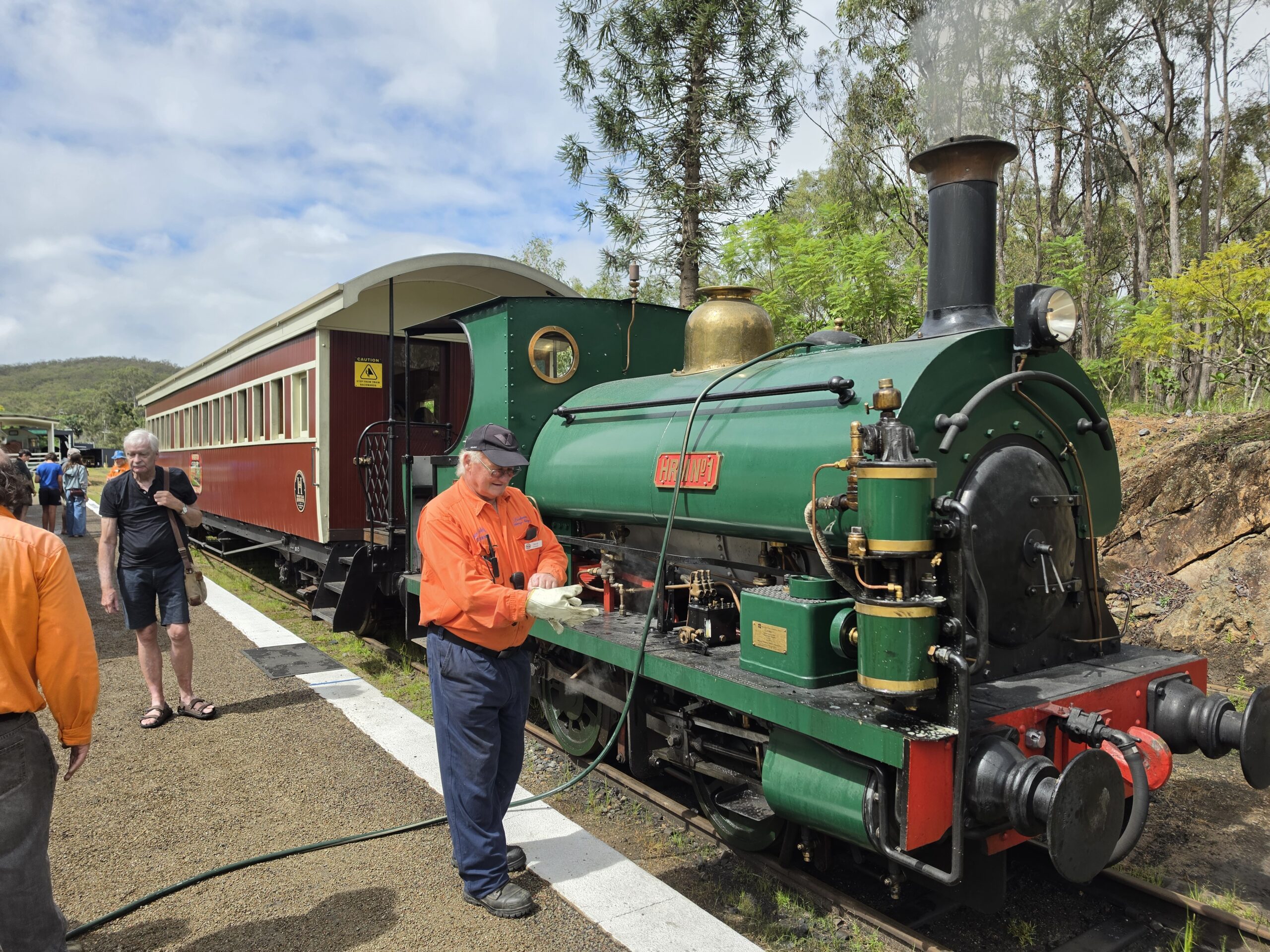
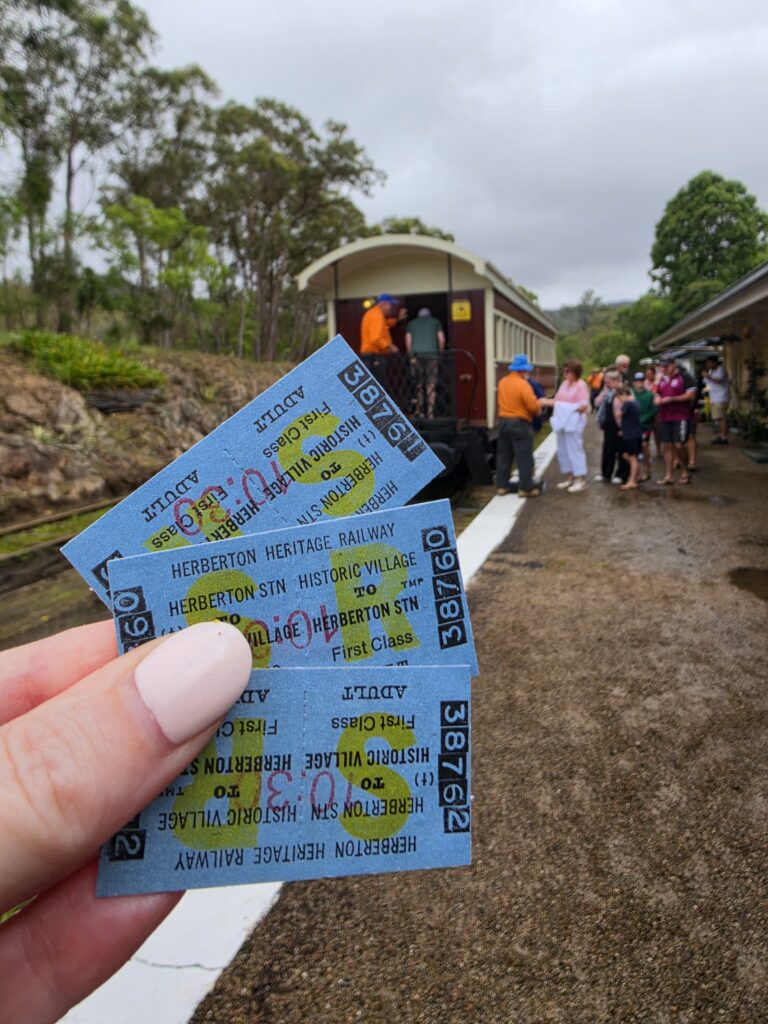
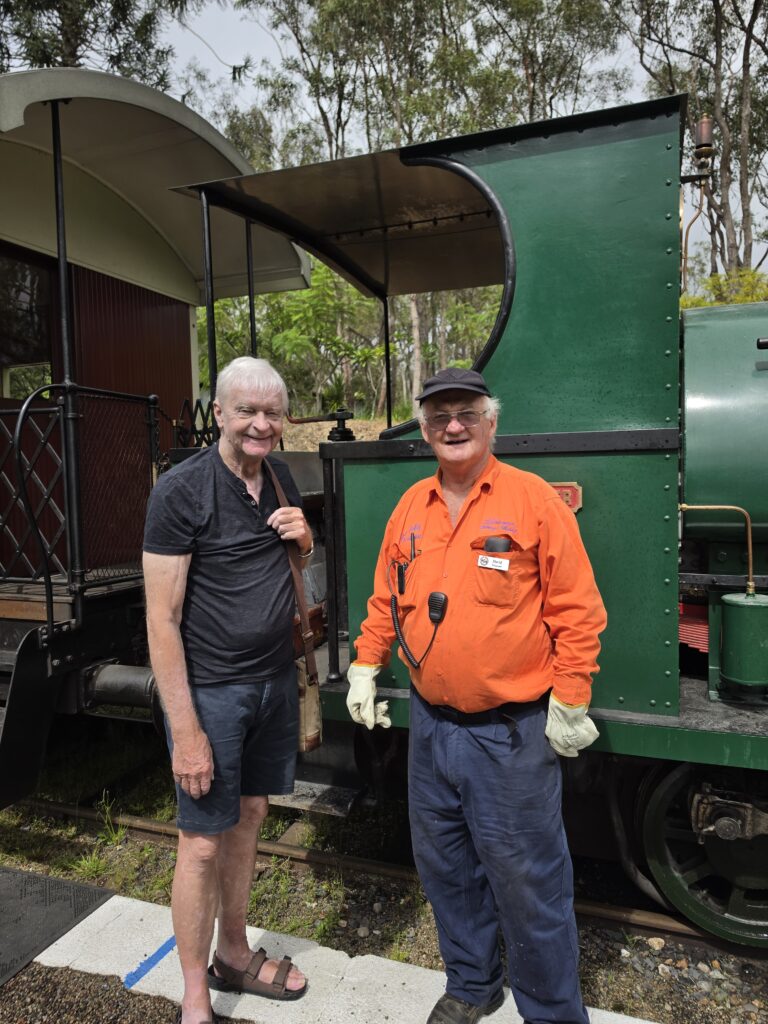
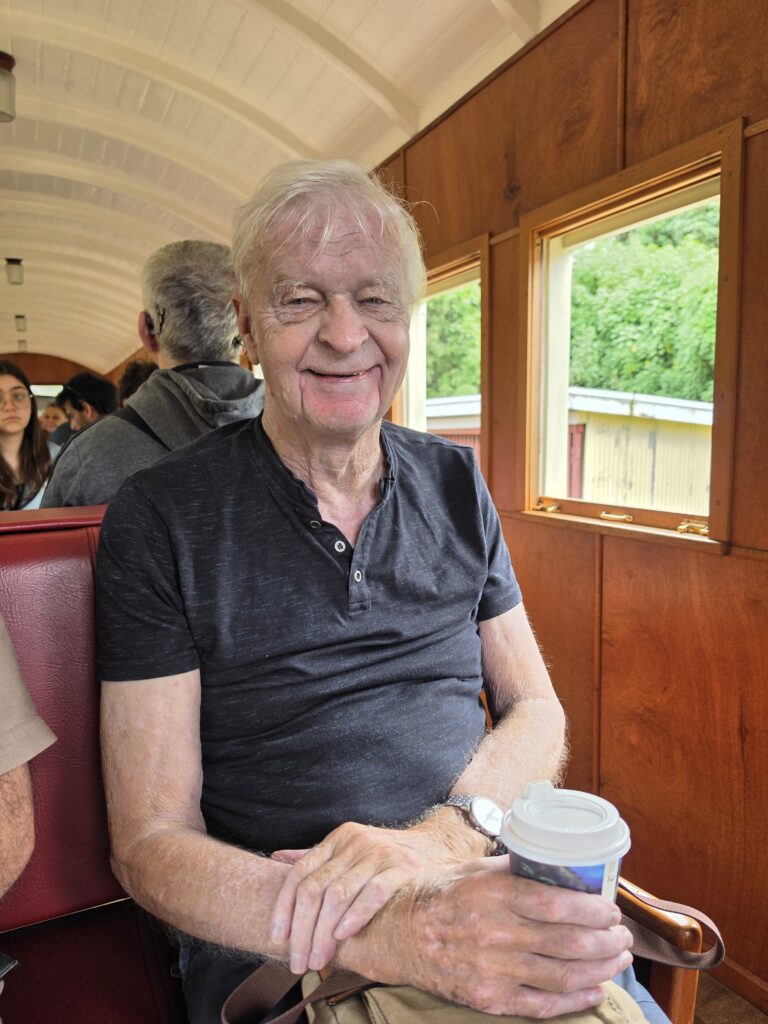
Over the Easter long weekend, our family decided to take a scenic day trip from Cairns up into the Tablelands to visit the famous Herberton railway, which operates an authentic, beautifully maintained heritage steam train.
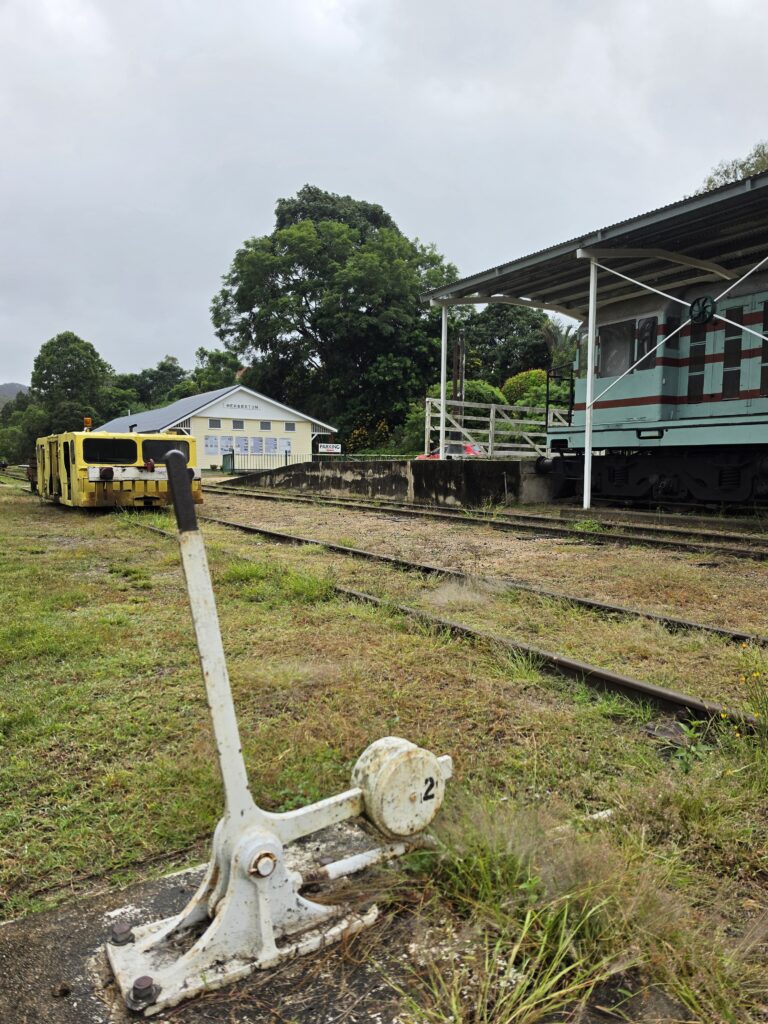
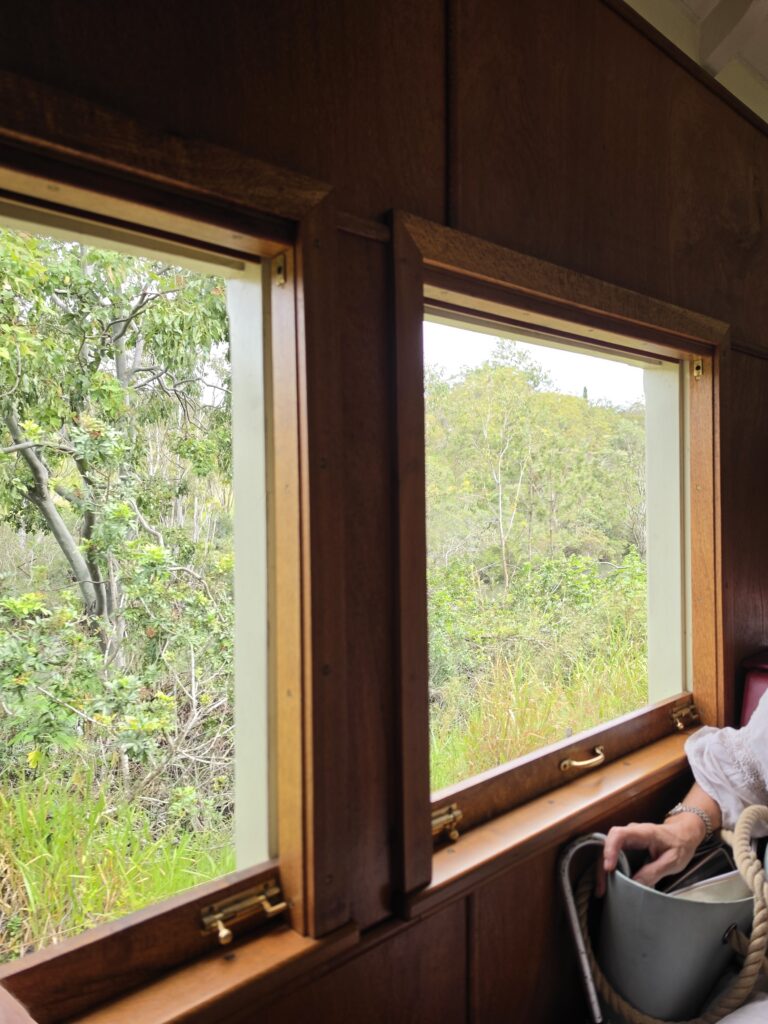
When you visit the station today, it gives you a wonderful, deep insight into a bygone era of steam. It also provides a great understanding of the meticulous craftsmanship that goes into the modern restoration of vintage trains and passenger carriages.
The Epic Construction History of the Cairns-Herberton Railway
The story of the line begins back in the late 19th century. The original Herberton train station grounds were initially owned by pioneer Frank Stubley. In 1882, Frank heavily researched several competing coastal routes for the logging and mining railway to operate from, including options out of Port Douglas, Geraldton Harbour (now Innisfail), and Cairns.
The official decision was eventually made that the Cairns-Herberton Railway would be established. By 1885, complex engineering plans were finalized for the steep route traveling up through the treacherous Barron Gorge.
Overcoming Remote Wilderness Obstacles
The very first commercial tender was called to construct the specialized railway wharf down in Cairns. In 1886, the official Government Gazette called for the immediate construction of the first 8 miles of track stretching from Cairns to Redlynch.
This initial section of the railway was fraught with immense engineering difficulties, including dense coastal swamps, thick tropical jungle, outbreaks of tropical fever, and the financial failure of two separate private contractors.
The government finally had to step in directly to complete the line, and this first official section of the railway opened to traffic in 1887. The construction of the track heavily contributed to regional growth, prompting the establishment of a local sawmill alongside a dedicated sand and gravel pit.
An Immigrant Labor Triumph
Carving out deep rock cuttings, building massive dirt embankments, and drilling through solid granite for the mountain tunnels required an immense amount of intense manual labor. This brought in a massive wave of experienced immigrant labor, particularly tough Irish and Italian workers.
In 1891, the first official train successfully made its historic way up the range to Kuranda. However, the final destination of Herberton was still another 50 miles away across the rugged Tablelands.
Pushing Herberton Railway Through to the Tablelands
The next major section of the rail line successfully reached the township of Atherton in July 1903. Shockingly, intense work on the final, highest section of the range through to Herberton didn’t officially commence until 1908.
A mobile tent school was established in 1909 right along the line to provide basic education for the children of the hard-working rail laborers. By March 1910, the complex tunnel at the absolute top of the mountain range was fully completed.
Finally, on October 20th, 1910, the railway line to Herberton was completed and opened to the public. Around 2,000 enthusiastic people attended the grand opening to celebrate the achievement with a lavish grand ball.
Behind the Scenes: The Men’s Shed & Volunteer Restoration
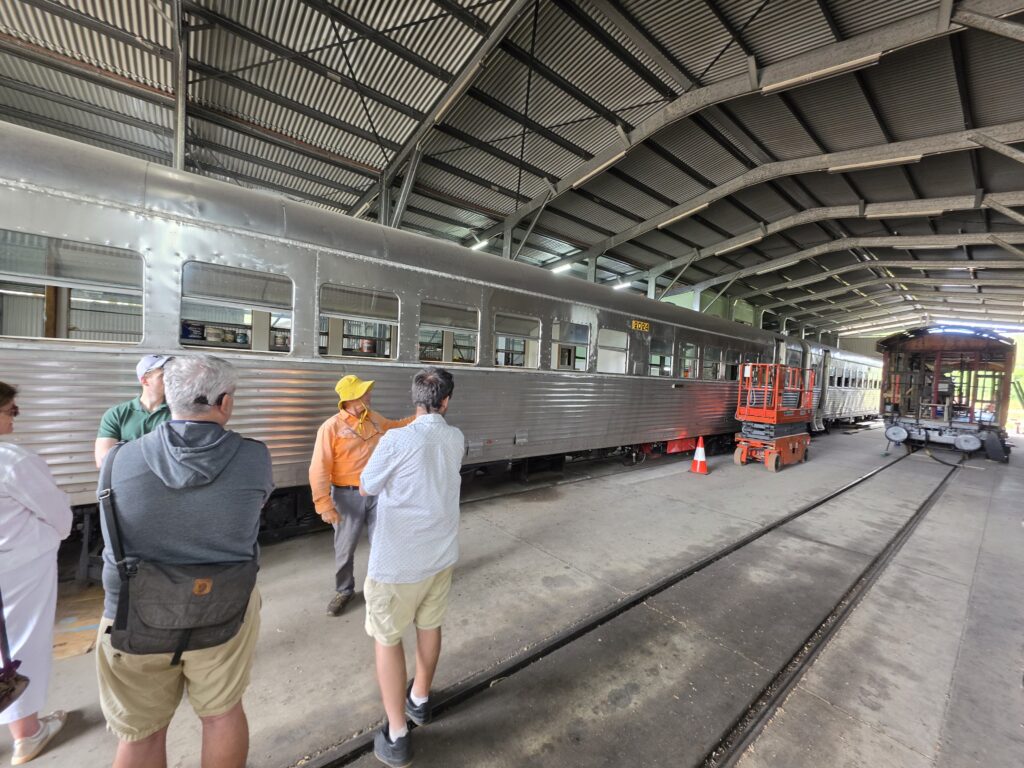
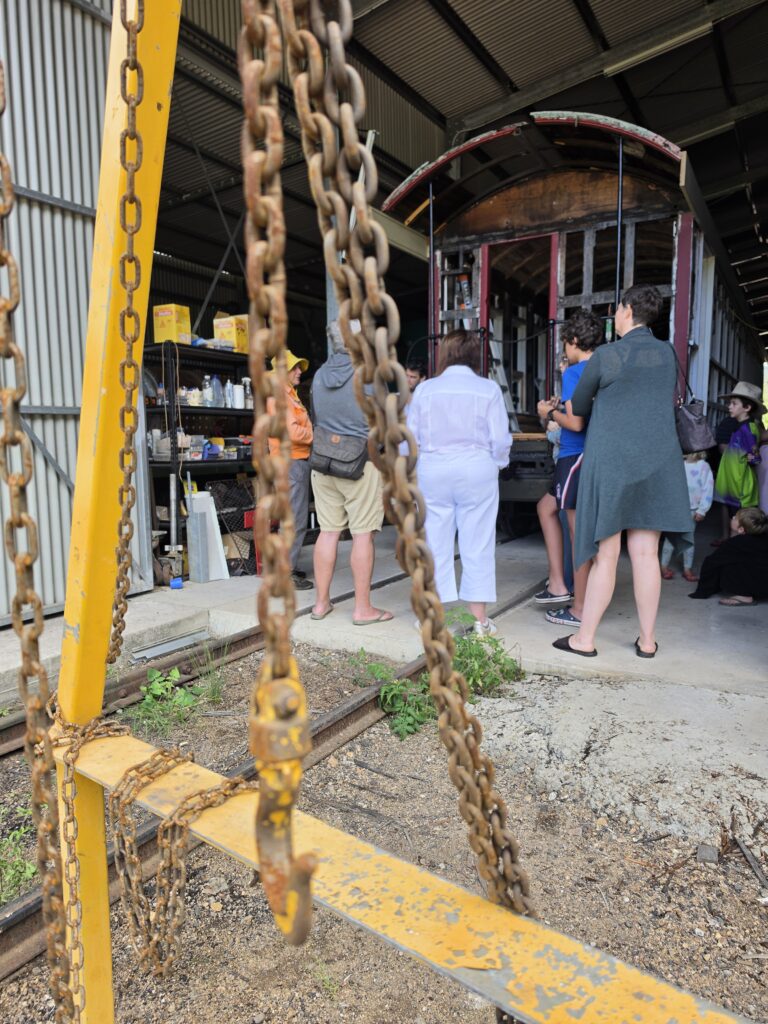
One of the best elements of the modern experience is that a full guided tour of the restoration workshop is completely included with your standard steam train fare. This allowed us to head behind the scenes to see and understand the incredible mechanical work happening on the locomotives.
The absolute entirety of this heavy mechanical restoration and the daily running of the railway operation is completed through the local Men’s Shed. Fueled by a passionate network of local volunteers, these individuals dedicate their time to restoring timber carriages, machining replacement parts, and keeping the historic rail loops operational for future generations.
Want to see our live footage from the tracks? Check out our official video link here: Atherton-Herberton Historic Railway & Museum Video
Herberton Railway Day Trip FAQs
When does the heritage steam train operate?
The heritage steam train runs on specific scheduled weekends and public holiday periods throughout the year, with extra family departures scheduled across long weekends like Easter. We highly recommend checking their official operating calendar online before driving up from the coast.
Is the railway workshop tour suitable for young children?
Yes, absolutely! The behind-the-scenes look inside the restoration sheds is incredibly educational and fully guided by friendly volunteers. It is safe, low-impact, and highly engaging for holidaymakers, train lovers, and children of all ages.